Wisconsin Aluminum Foundry: Top Services and Custom Solutions for Manufacturers
Wiki Article
Light Weight Aluminum Castings Explained: Trick Benefits and Solutions for Your Manufacturing Needs
Light weight aluminum castings play a considerable duty in modern production. Their sturdy and light-weight nature makes them appropriate for numerous applications. Industries such as aerospace and automobile advantage from their adaptability. Recognizing the benefits and the production procedure of aluminum castings is important. Furthermore, picking the ideal company can affect top quality and efficiency. What aspects should be thought about when picking an aluminum casting solution? Exploring these elements exposes crucial insights.Benefits of Aluminum Castings
Light weight aluminum spreadings use countless advantages that make them a recommended choice in various sectors. Among the key benefits is their light-weight nature, which considerably decreases shipping and dealing with expenses. Additionally, aluminum exhibits exceptional corrosion resistance, guaranteeing longevity and reduced maintenance for products made from this material. The flexibility of light weight aluminum permits for intricate forms and intricate styles, supplying suppliers with higher versatility in production.Additionally, aluminum spreadings possess good thermal and electric conductivity, making them ideal for a variety of applications needing warm dissipation or electric parts. The material likewise has a high strength-to-weight proportion, enabling the manufacturing of durable yet lightweight parts. Additionally, light weight aluminum can be recycled without losing its residential or commercial properties, advertising sustainability in manufacturing procedures. On the whole, these advantages make light weight aluminum castings a reliable and efficient choice for makers seeking quality and efficiency in their products.
Applications of Light Weight Aluminum Castings in Different Industries
The benefits of aluminum castings make them extremely searched for across numerous sectors, including vehicle, aerospace, and customer items. In the auto sector, they are made use of for engine blocks, transmission instances, and wheels due to their light-weight nature, which improves fuel performance. Aerospace applications benefit from light weight aluminum spreadings in structural components and real estates, offering strength while reducing weight, important for trip performance.
In customer items, aluminum castings are used in items such as cooking equipment and electronic rooms, providing resilience and aesthetic charm (Metal Castings). Furthermore, the electrical industry uses light weight aluminum castings for heat sinks and housings, ensuring effective thermal administration. The convenience of light weight aluminum enables complex layouts and intricate geometries, even more broadening its applications. Generally, the varied energy of aluminum spreadings emphasizes their relevance in modern-day production, adding to advancement and performance throughout these essential sectors

The Production Refine of Light Weight Aluminum Castings
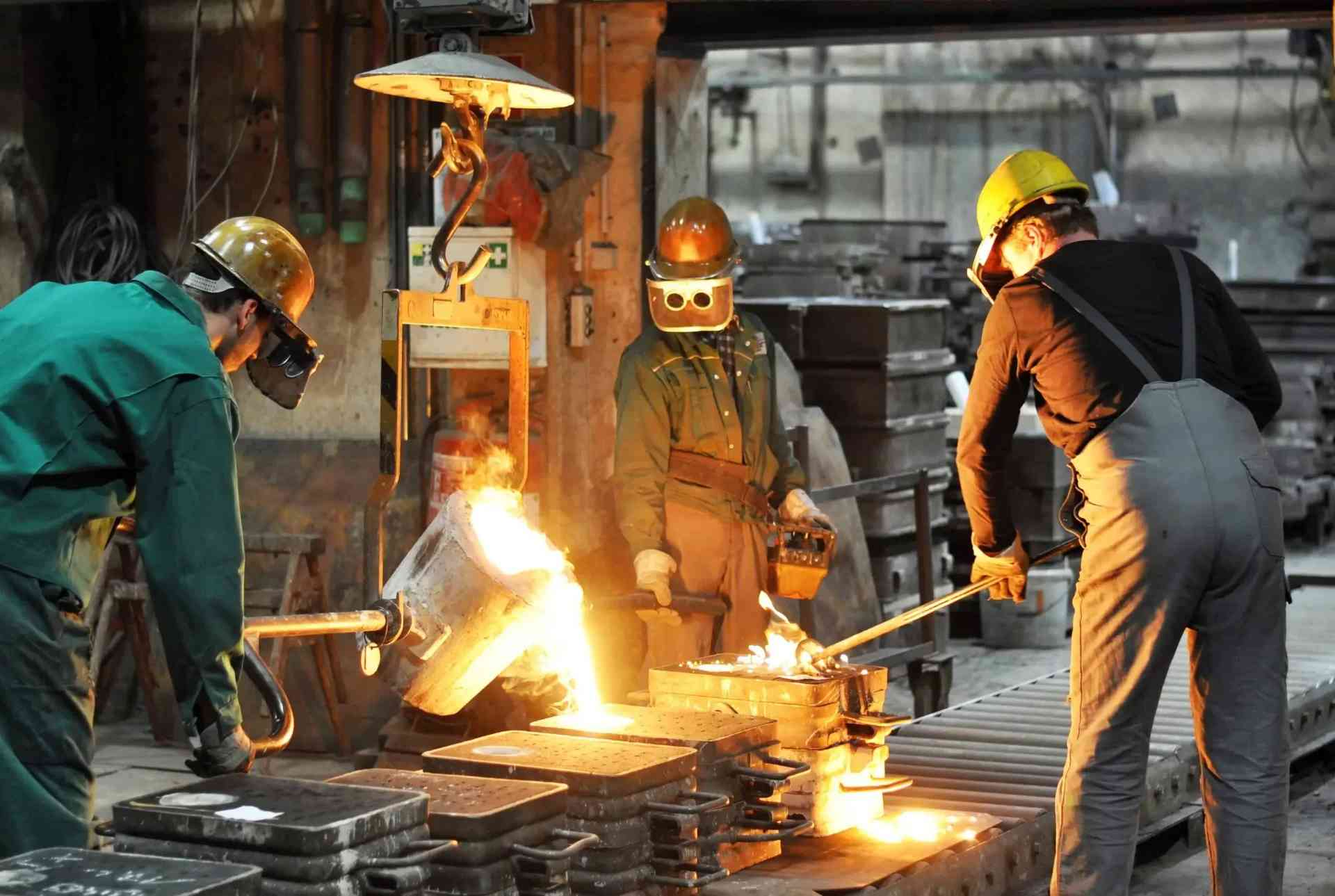
Casting aluminum involves several important steps that transform raw steel right into exact elements. The procedure begins with the melting of aluminum scrap or ingots in a heating system, reaching temperatures around 1,200 ° F. When molten, the aluminum is put right into a mold and mildew, which can be made from sand, steel, or ceramic, depending upon the desired specifications.After putting, the steel cools down and solidifies, creating the shape of the mold (Wisconsin Aluminum Foundry). The next action involves eliminating the casting from the mold and mildew, which may require extra techniques to ensure a smooth surface area coating
Ultimately, any excess material or flaws can be machined or ground off to achieve the final dimensions. Quality inspections are then look at more info performed to confirm that the spreading fulfills required standards. This thorough procedure allows producers to create elements that are lightweight, durable, and appropriate for a vast array of applications.
Picking the Right Aluminum Casting Solution
When selecting an aluminum casting solution, it is important to contemplate a number of elements that can substantially affect the quality and efficiency of the final item. Initially, the company's experience and expertise in aluminum spreading play a critical role in guaranteeing top quality outputs. Companies ought to examine the provider's profile and previous projects to evaluate their capacities.In addition, reviewing the innovation and tools made use of by the casting solution is vital, as modern-day equipment can boost precision and reduce preparations. One more key factor is the capability to provide personalized options customized to details project needs, which can greatly enhance item efficiency.
Moreover, interaction and client support must not be ignored; a collaborative partner can promote smoother job execution. Considering cost-effectiveness without endangering high quality is crucial for making an informed decision. By very carefully evaluating these facets, manufacturers can pick a casting service that my explanation best satisfies their needs.
Future Fads in Light Weight Aluminum Casting Technology
As suppliers progressively focus on high quality and efficiency, developments in aluminum spreading technology are established to change the sector. Emerging fads consist of the fostering of automation and robotics, which boost precision and reduce human mistake in casting processes. Additionally, the assimilation of expert system and maker knowing is expected to maximize manufacturing routines and improve high quality control.Sustainability continues to be a main focus, with innovations in recycling methods permitting a lot more reliable reuse of aluminum scrap, consequently decreasing waste and energy consumption. Advanced simulation software program is additionally getting traction, enabling engineers to model and predict casting efficiency prior to real manufacturing, decreasing pricey mistakes.
Furthermore, the growth of new alloys and advanced casting techniques, such as 3D printing, will broaden the possibilities for light-weight yet long lasting elements. Together, these patterns show a dynamic future for aluminum casting, driven by technical developments that focus on product, efficiency, and sustainability top quality.
Often Asked Questions
How Do Light Weight Aluminum Castings Compare to Various Other Products?
What Are the Weight Limitations for Aluminum Castings?
Weight constraints for light weight aluminum castings usually depend upon the layout and application, but they usually support load capacities ranging from a few ounces to numerous lots. Particular restraints occur from aspects like wall surface thickness and architectural honesty.Can Aluminum Castings Be Fixed After Production?
Light weight aluminum spreadings can be repaired after manufacturing, utilizing strategies such as welding or epoxy bonding. The feasibility of fixings depends on the extent of damage and the certain homes of the light weight aluminum alloy used.
What Finishes Are Offered for Light Weight Aluminum Castings?
Different finishes are readily available for aluminum spreadings, consisting of anodizing, powder paint, layer, and polishing. These finishes enhance appearance, give corrosion resistance, and boost surface area longevity, accommodating diverse aesthetic and practical needs in producing applications.Exactly How Do Environmental Laws Affect Aluminum Spreading Processes?
Discover More Here Environmental regulations considerably affect aluminum spreading procedures by mandating stricter exhausts controls, urging recycling practices, and advertising lasting materials. These laws oblige suppliers to take on cleaner technologies and minimize their ecological impact in manufacturing activities.
Report this wiki page